


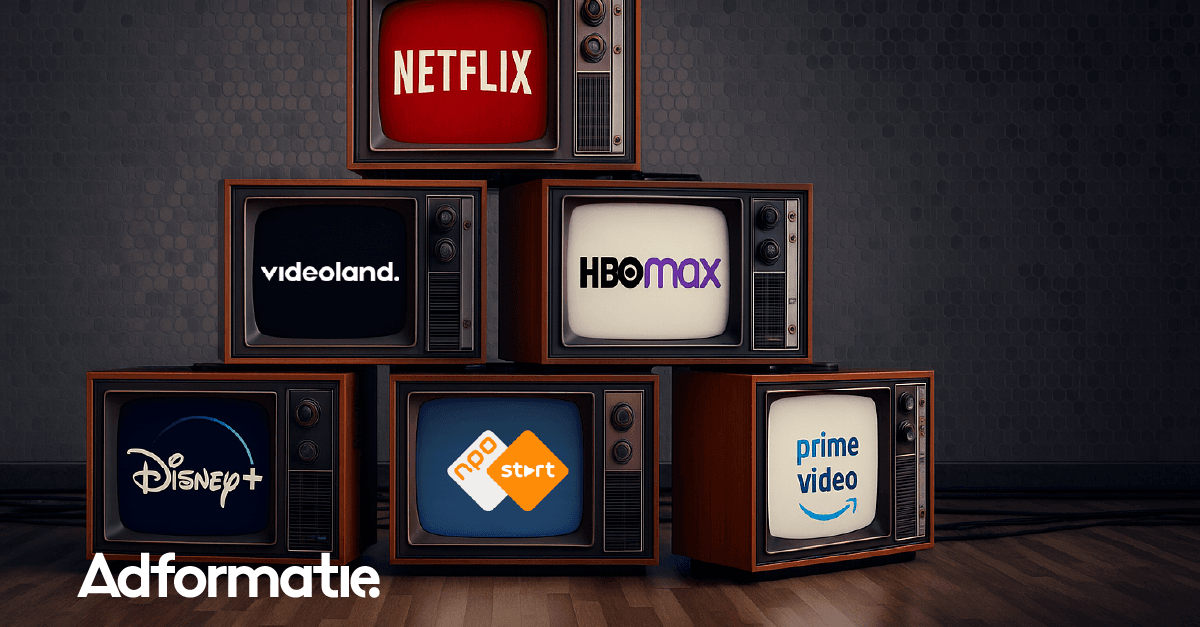
On average, Dutch people spend more than two hours a day watching TV, films and series. Yet most brands continue to stick to traditional advertising models, rather than focusing on entertainment. The result? Declining effectiveness, reduced brand engagement and missed opportunities. The solution does not lie in even more disruptive advertising, but in embracing a new strategic role within the organisation: the Chief Entertainment Officer.
The broken promise of traditional advertising
Let's be honest: the classic advertising model is no longer what it used to be. Consumers are developing increasingly effective filters, both technological and mental, to ignore advertisements. The figures don't lie: 90% of consumers skip pre-rolls on YouTube and prefer to skip all ads if possible, ad blockers are widely used,, and trust in influencers is rapidly declining. What's more, social media is making us downright unhappy.
At the same time, those same consumers spend hours of undivided attention on their favourite series, documentaries and films on Netflix, Videoland and countless other streaming services, and Gen Alpha and Gen Z are buying cinema tickets en masse . The question is no longer whether brands should become part of this entertainment experience, but how they can do so effectively.
The new marketing reality calls for specialisation
Marketing teams are often not equipped to operate effectively in the complex ecosystem of the entertainment world. The nuances of product integration in a popular series, negotiating with producers about brand placement, or developing valuable content partnerships, let alone developing and producing their own entertainment, require expertise that goes beyond traditional marketing knowledge.
This is where the Chief Entertainment Officer comes in. I admit, two CEOs may be a bit confusing, so we may need to find a new acronym. This specialised role bridges the gap between brand identity and the creative world of entertainment. Not as an occasional PR stunt, but as an ongoing strategic pillar within the organisation.

What exactly does a Chief Entertainment Officer do?
A Chief Entertainment Officer acts as a strategic link between the brand and the entertainment industry. Their core responsibilities include:
- Developing entertainment strategy: Translating brand objectives into concrete entertainment collaborations that resonate with the target audience.
- Cultivating networks: Building and maintaining relationships with key figures in the entertainment world: showrunners, directors, producers, studios and streaming platforms.
- Realising brand integration and producing entertainment: Ensuring seamless integration of the brand into entertainment, ranging from subtle product placement to the complete production or co-production of films, series and TV programmes.
- Developing ROI models: Setting up measurement methodologies that go beyond traditional KPIs, with a focus on brand value, attitude formation and long-term consumer relationships.
- Realising cross-media activation: Ensuring that entertainment collaborations are activated across all relevant channels, from online to in-store experiences.
The difference between random deals and strategic integration
Many brands are already experimenting with occasional collaborations in the entertainment world. Think of sponsoring film festivals (such as the collaboration between EY and the Netherlands Film Festival), one-off product placement, or linking up with major premiere events. Although these tactics can be valuable, they often lack strategic depth and are rarely fully integrated into the brand strategy.
A Chief Entertainment Officer takes a fundamentally different approach: entertainment is not a separate marketing channel, but an integral part of how the brand positions itself in the culture. This leads to deeper, more authentic and more impactful connections with consumers.
Why now is the time to invest
The timing for this strategic shift is perfect for three reasons:
1. Streaming war creates opportunities
Content production is exploding: Netflix alone will pump $18 billion into original content in 2025. This creates unprecedented opportunities for brand integration. For the first time in history, there is more premium content in development than brands stepping in. The traditional advertising block has been wiped out by the subscription model of streamers, but the need for advertising revenue remains. That is why platforms are increasingly open to creative brand partnerships, where the brand itself directs the story.
2. Consumers are tired of advertising but eager for stories
People click away, scroll through or pay to avoid advertising. At the same time, they embrace brands that add something to their worldview. The public expects brands to contribute meaningfully to culture rather than interrupt it. Think of Patagonia, which produces entire documentaries about climate activism, and Dove, Yves Saint Laurent, Mattel and WeTransfer, whose stories have won Oscars. Brands that know how to package their values in stories not only gain attention, they gain trust.
3. Measurability is becoming increasingly mature
Where branded entertainment used to be seen as a difficult-to-measure investment in brand value, today it is a strategic tool that can be managed for return on investment. By making smart links between distribution, target group activation and external brand research, it becomes clear what entertainment does for brand awareness, preference and purchase intent. Digital content formats around the main production also provide extra reach and deliver data on engagement and follow-up actions. In combination with attribution models and first-party data, this creates an increasingly clear picture of the role that entertainment plays in the customer journey. As a result, branded entertainment on streaming platforms is not only a way to stand out, but also to demonstrably add value to your marketing ROI.
Concrete benefits of a Chief Entertainment Officer
The question is, of course: what are the benefits? Brands that have already invested in entertainment integration report impressive results:
- Higher brand engagement and brand loyalty
- Access to new, hard-to-reach target groups
- Deeper emotional connections with consumers
- Increased credibility within specific cultures and communities
- Longer lifespan of marketing content (a successful series integration remains relevant for years)
More importantly, this approach creates a flywheel effect. Successful integrations lead to better relationships in the entertainment world, which in turn leads to more premium opportunities, and ultimately to a brand that becomes inextricably linked to the cultural conversations that really matter.
A striking example: the Four Seasons resort in Hawaii served as the spectacular setting for the first season of The White Lotus. Because the resort was temporarily closed to guests during the coronavirus pandemic, the production was able to use it almost exclusively, an opportunistic choice that turned out to be a masterstroke in brand positioning. The series won multiple Emmys, was discussed worldwide and gave the Four Seasons brand a cultural relevance that extends far beyond traditional travel marketing. For the subsequent seasons, the brand intensified the collaboration, with new locations and a prominent role in the visual and narrative universe of the series. What started as a one-off opportunity grew into sustainable brand reinforcement through entertainment.
How do you get started? Just do it.
Whether you are a multinational or a growing consumer brand, there is no excuse for not engaging with entertainment. Large companies can opt for a bold move: appointing a Chief Entertainment Officer who reports directly to the CMO or CEO, with their own team and mandate to develop opportunities. But even without such a structure, you can still make an impact. A senior marketer with a nose for stories and the right external partners can go a long way. And for smaller brands, seek out a partner who understands the entertainment field and can translate your brand strategy into relevant creative opportunities. There are no standard routes; what matters is that you take it seriously.
The Chief Entertainment Officer as a competitive advantage
In a world where traditional differentiation is becoming increasingly difficult, the way a brand positions itself in the entertainment landscape is a powerful new competitive advantage. The brands that invest in this strategic capacity now will undoubtedly be leaders in their category in five years' time.
The Chief Entertainment Officer is no longer a luxury; it is a necessary evolution in how brands create meaningful connections with their audience. The question is no longer whether this role is relevant, but when your organisation will take the plunge.
Previously published on: Adformatie